Most important Questions for “Green Card” Holders (“lawful permanent residents”): Part I of VI
Those individuals who have green cards and live in and outside of the United States, should understand the tax and legal implications to them. 
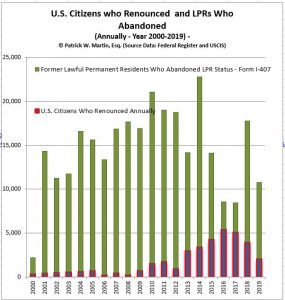
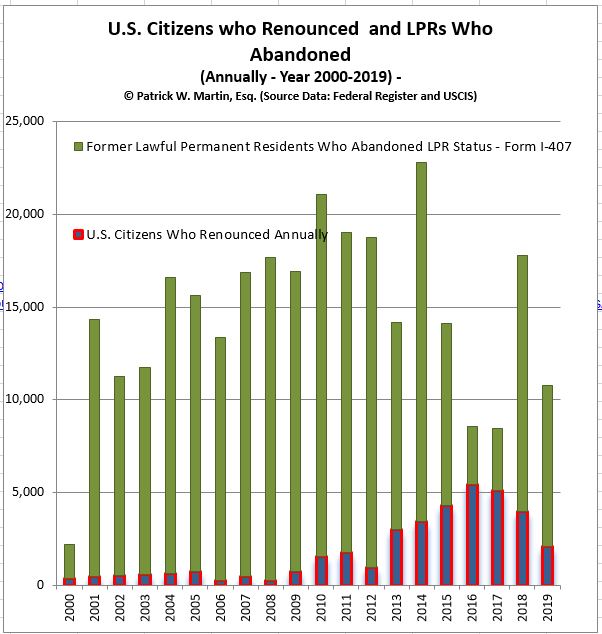
There are millions of individuals in this category. i.e., those who have “emigrated” with an “e” from the United States. There are 3.88 million of these green card holders, as of 2024 according to the U.S. federal government’s latest report. The statistics are striking – that so many individuals reside outside the U.S.
See, the Homeland Security, Office of Immigration Statistics – Estimates of the Lawful Permanent Resident Population in the United States and the Subpopulation Eligible to Naturalize: 2024, and Revised 2023; see Table 1 in the report. 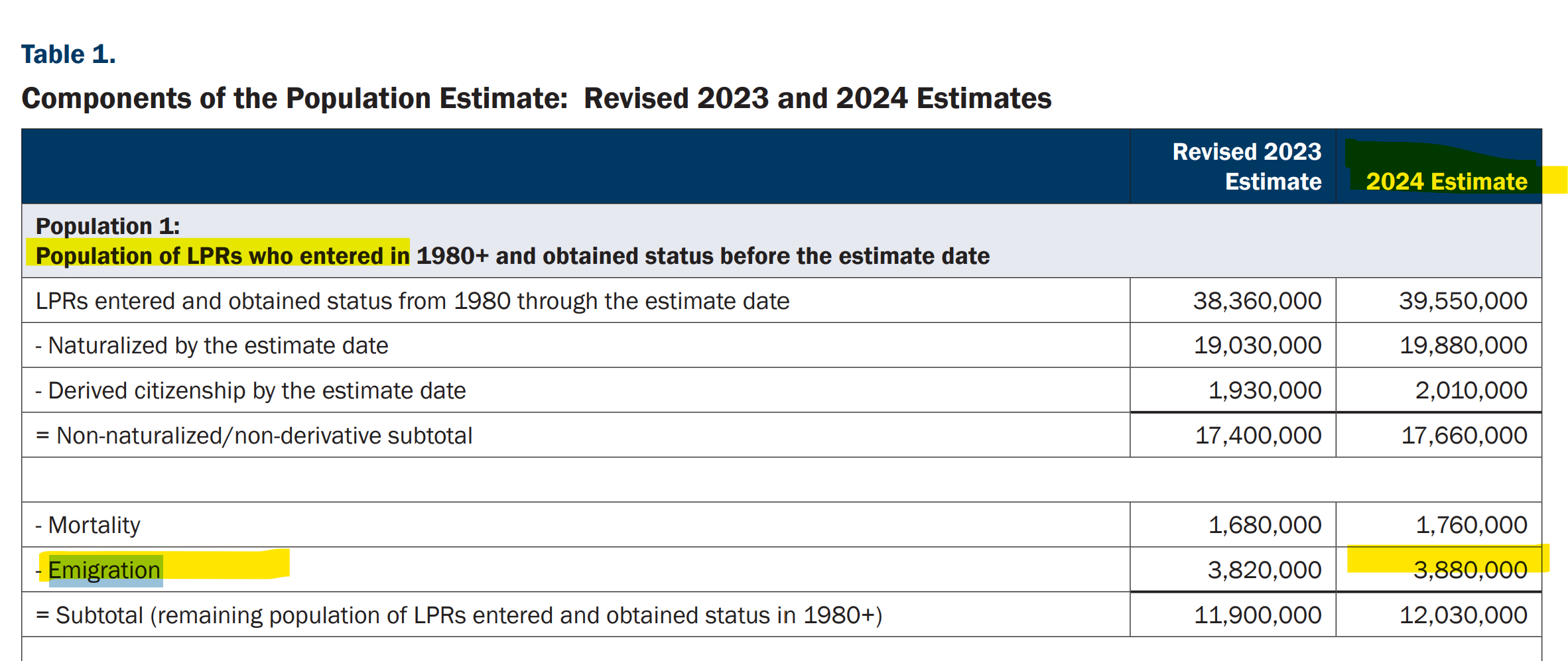
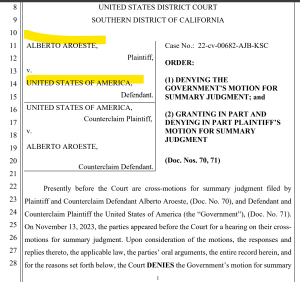
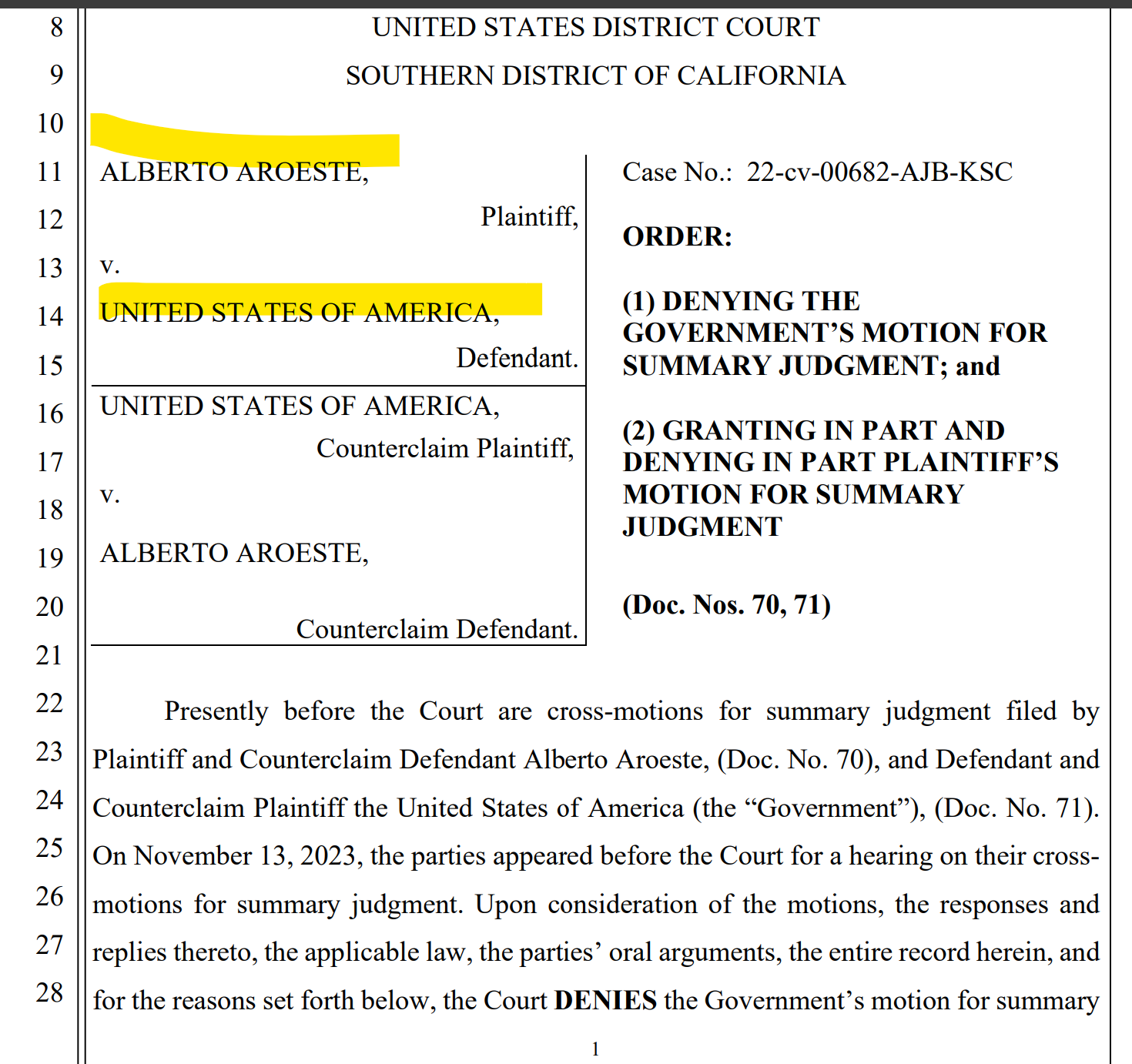
These nearly 4 million individuals who do not reside principally in the U.S. are similar to the fact pattern of Mr. Aroeste residing in Mexico City. See the case where yours truly, Patrick W. Martin, was lead counsel in that landmark case – and the analysis of the District Court in Aroeste v. United States. The government lost.
See an early related post titled –How Many LPRs are Living in Tax Treaty Countries like Aroeste (Now including Chile)? What are the Legal-Tax Consequences? (Part I of II)
Today’s post is a series of simple and key questions for those with green cards, to help them better hone in on the legal issues and U.S. tax risks that may be applicable to them:

- Am I still a U.S. taxpayer?
-
- What does it mean to be a U.S. taxpayer, when there are technical tax terms such as “United States person” and an individual who is a “lawful permanent resident” (not defined in the immigration law)?
-
- I have a green card but I’ve lived outside the U.S. for years — do I still have to file U.S. tax returns?
-
- The date on my physical green card has expired – does that mean I am no longer a a “lawful permanent resident” for tax purposes?
-
- Does it matter whether my green card is expired, taken back at the airport, or just sitting in a drawer overseas?
-
- Is there a difference between “giving up” my green card and just letting it lapse?
- Is there a difference between “giving up” my green card and just letting it lapse?
- Aroeste v. United States — what does it mean for me? –
- Aroeste v United States, 22-cv-00682-AJB-KSC (20 Nov. 2023)
-
- What was the Aroeste case actually about?
-
- Why is Aroeste important if I’m a green card holder living abroad?
-
- Why did the U.S. federal government fight so hard against Mr. Aroeste and appeal/litigate the case to the 9th Circuit, (and ultimately give up)?
- FBAR and foreign account reporting
-
- What is an FBAR, and why do I have to tell the U.S. about a bank account in my own country?
-
- What is FATCA, and why is my local bank asking if I’m “American” – or if I ever had a green card?
-
- What is Form 8938, and how is it different from FBAR?
- What is Form 8938, and how is it different from FBAR?
-
- What about accounts I only sign on, like my parents’ or my employer’s?
- The exit tax / expatriation rules
-
- What is the “exit tax” I keep hearing about?
-
- Am I a “long-term resident” — and why does that label matter so much?
-
- What is a “covered expatriate,” and how do I know if I am one?
-
- What did the Court in Aroeste rule about the “exit tax” and IRS Form 8854 – Initial and Annual Expatriation Statement?
Why are all of the above questions so important to me – since I previously obtained a “green card”?
Subsequent posts will address additional key questions that can have a significant legal consequence to individuals who had or have a green card and spend substantial time outside of the United States. For a preview, look at Oops.. .Did I Expatriate and Never Know It – International Tax Journal 2014
Stay tuned . . . . . . . . .