Patrick W. Martin · Tax Expatriation
International Tax · Citizenship Renunciation · LPR Abandonment

International Tax Shareholder
International Tax · Citizenship Renunciation · LPR Abandonment
International Tax Shareholder
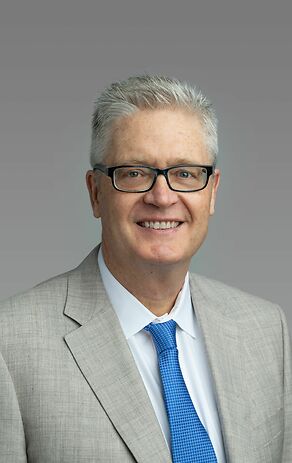
About the author
Patrick W. Martin is a U.S. tax lawyer licensed in California, Washington D.C., and Texas and specializes in international tax and related international law matters. He has practiced in the area for more than 32 years. He and his immediate family have lived, invested, studied (law, medicine, and business) and worked throughout Mexico over the last 30+ years.
Mr. Martin is an international tax shareholder at Chamberlain Hrdlicka — a nationally ranked tax-focused law firm identified as the best law firm in tax and tax controversy in 2025 by Best Lawyers: “Law Firm of the Year” — where he practices exclusively in international tax.
Practice
He has advised clients for more than three decades regarding the U.S. international tax and related legal consequences of renouncing U.S. citizenship or abandoning lawful permanent residency. He regularly represents individuals on all tax aspects of renouncing U.S. citizenship, and complications of lawful permanent resident status (including the tax treaty consequences).
Aroeste v. United States
He successfully litigated the most important federal tax case recently on the subject regarding “green card” holders and tax treaties and tax expatriation. See, Aroeste v. United States — Order Nov. 2023, which was appealed to the 9th Circuit by the Office of Solicitor General (DOJ) and ultimately conceded by the government. The U.S. District Court ruled in favor of the green card holder.
Recognition
He has been identified by his peers in the Best Lawyers in America® (Tax Law) — 2015, 2016, 2017, 2018, 2019, 2020, 2021, 2022, 2023, 2024 & 2025. He is a Fellow of the prestigious American College of Tax Counsel and a Fellow of the American College of Trust & Estates Counsel.

Education and credentials
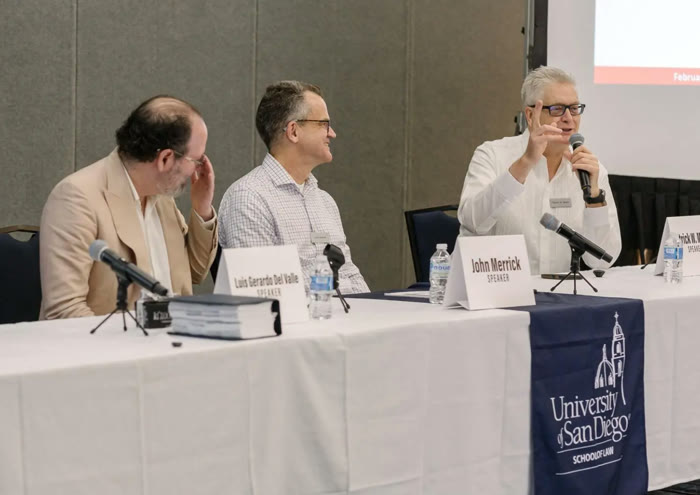
He is a past Chair of the Taxation Section of the State Bar of California. He was awarded the V. Judson Klein Award by the Taxation Committee of the State Bar of California in 2010. He received his law degree, J.D. from the University of San Diego School of Law, where he received the distinguished alumni award in 2013. He passed the Certified Public Accountant’s exam in the 1980s, previously worked for the Internal Revenue Service, and studied postgraduate law studies in international law — business transactions at the Escuela Libre de Derecho, in Mexico City in the 1990s.
He is the U.S. tax professor in charge of the executive international tax program at ITAM (Instituto Tecnológico Autónomo de México) in Mexico City with the University of San Diego School of Law.
Litigation
He represents individuals and companies in international business and related tax planning. He also represents clients before the IRS in international tax audits and litigates against (i) the IRS via the Office of Chief Counsel lawyers (in U.S. Tax Court) and (ii) attorneys from the Tax Division, Department of Justice (in U.S. District Court and the U.S. Court of Federal Claims).
Conference organizer
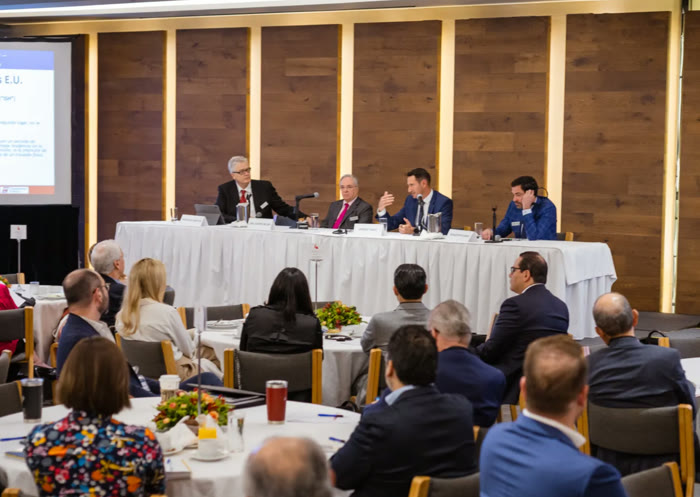
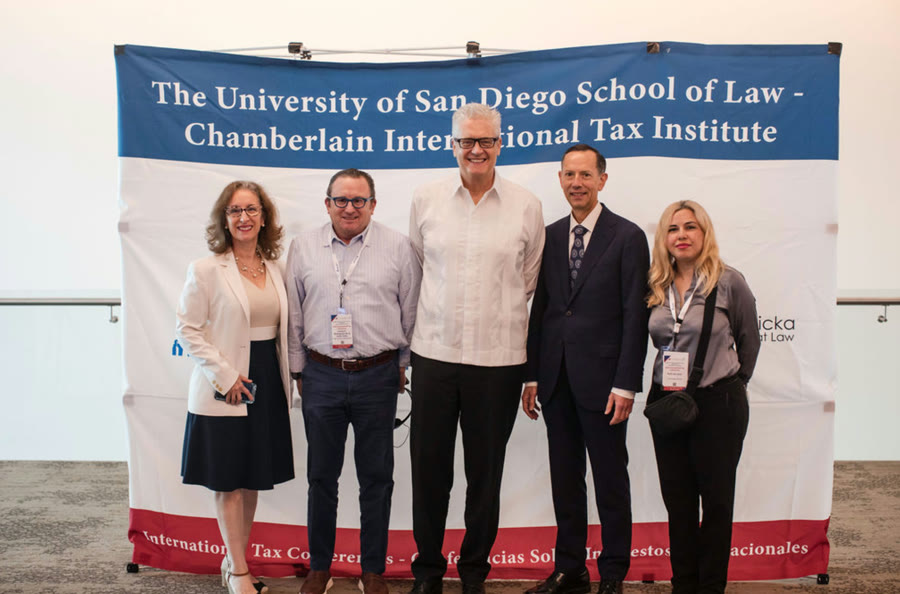
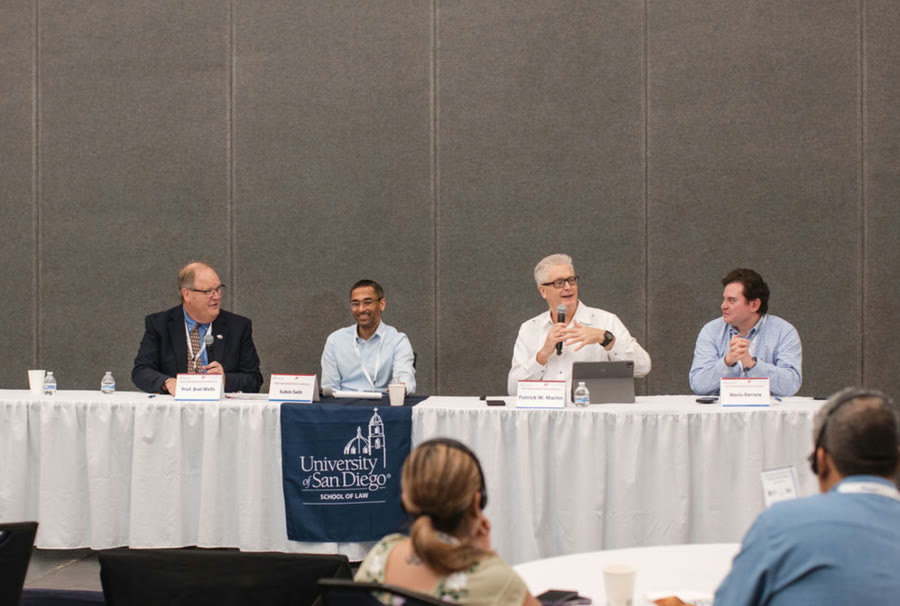
For over twenty years, Patrick Martin has been the driving force behind internationally recognized tax conferences, serving as both creator and principal organizer. In collaboration with the University of San Diego School of Law, Mr. Martin has consistently brought together global experts to discuss and analyze the most pressing and complex issues in international tax law.
About the conference
In most recent years, the conferences have been held in different locations with the 2024 conference held in Mérida, México and the 2023 conference in Mexico City. Past speakers include former IRS Commissioner Chuck Rettig and former Banco de México Governor Agustín Carstens. These conferences bring the best of the best in the field of international tax law to offer valuable insights and networking opportunities for attendees.
Personal
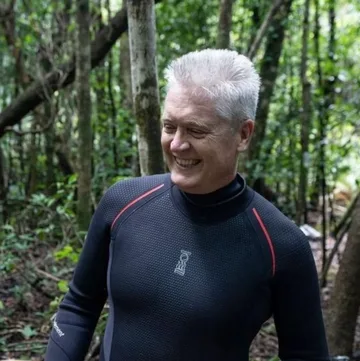
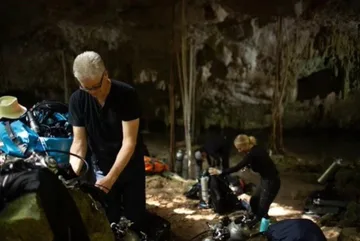
Outside of tax law, he is a passionate underwater cave explorer in the labyrinth of caves (thousands of kilometers) within the Yucatán peninsula. He received membership into the Explorer’s Club in 2019 for his cave exploration work. Founded in New York City in 1904, The Explorers Club promotes the scientific exploration of land, sea, air, and space by supporting research and education in the physical, natural and biological sciences. The Club’s members have been responsible for an illustrious series of famous firsts: first to the North Pole, first to the South Pole, first to the summit of Mount Everest, first to the deepest point in the ocean, first to the surface of the moon — all accomplished by Explorers Club members.

Phone: 210-278-5835
Email: patrick.martin@chamberlainlaw.com
Firm: Chamberlain Hrdlicka