
For an excellent overview (without penalty hype or exaggeration of the U.S. tax law), read the following article from Eric Scali of H&R Block’s expat-focused service titled –Puncturing 7 Common Myths about U.S. Expat Tax Rules, Nov. 15, 2015, WSJ = Globe, EXPAT, For global nomads everywhere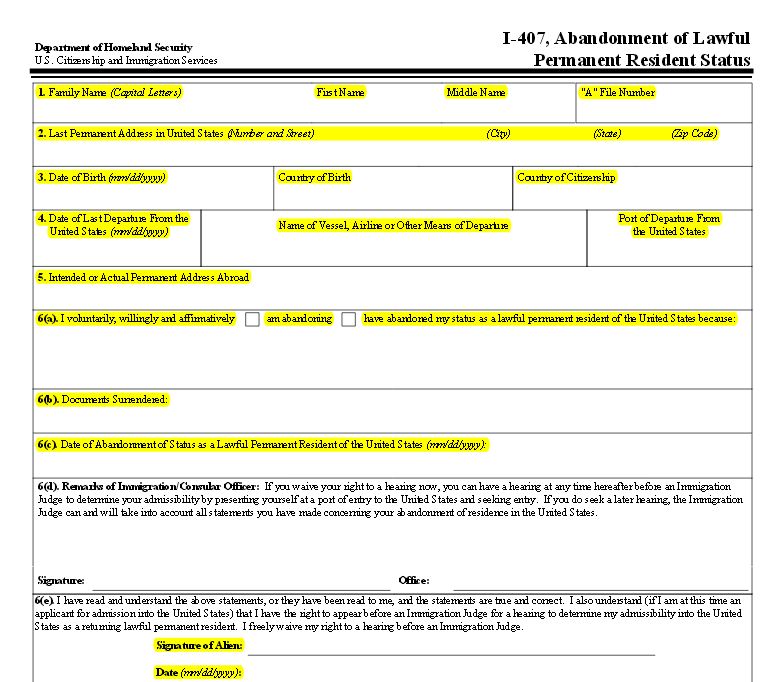
The following 7 myths are accurately addressed with respect to U.S. citizens residing outside the U.S. (although caution should be taken if you are a lawful permanent resident – “LPR”- residing inside a country with a U.S. income tax treaty – see, Does the IRS have access to the USCIS immigration data for former lawful permanent residents (LPRs)?, posted April 11, 2015 and the discussion of how many LPR individuals will have “expatriated” without actually having filed USCIS Form I-407. See, Oops…Did I “Expatriate” and Never Know It: Lawful Permanent Residents Beware! International Tax Journal, CCH Wolters Kluwer, Jan.-Feb. 2014, Vol. 40 Issue 1, p9):
Myth #1: Individuals living outside of the U.S. and filing tax returns with a foreign government don’t have to file annual U.S. tax returns.
Myth #2: Expats only need to report their U.S. income on their U.S. tax return.
Myth #3: If their foreign income is below the Foreign Earned Income Exclusion (FEIE), expats don’t need to file a U.S. tax return.
Myth #4: Work performed by an expat within the U.S. but paid by an expat’s foreign employer is foreign income because it’s paid by the foreign employer and not issued on a W-2.
Myth #5: Expats’ non-U.S.-based pension plans have the same tax treatment in the U.S. as they do in their country of residence.
Myth #6: When expats receive certain items of income, they’re only taxable in their country of residence under the rules provided for in the income tax treaty the foreign country has with the U.S.
Myth #7: An expat’s foreign investments are treated the same as they are in the foreign country.
Unfortunately, I have heard all of these and more (many times over) during my professional career as an international tax lawyer (and an accountant in the late 1980s) from both individuals and their tax advisers both inside the U.S. and outside the U.S. As someone who lives with their family outside the U.S., I have a good understanding about the difficulty of finding good U.S. tax resources that accurately and simply explain these very complex laws.