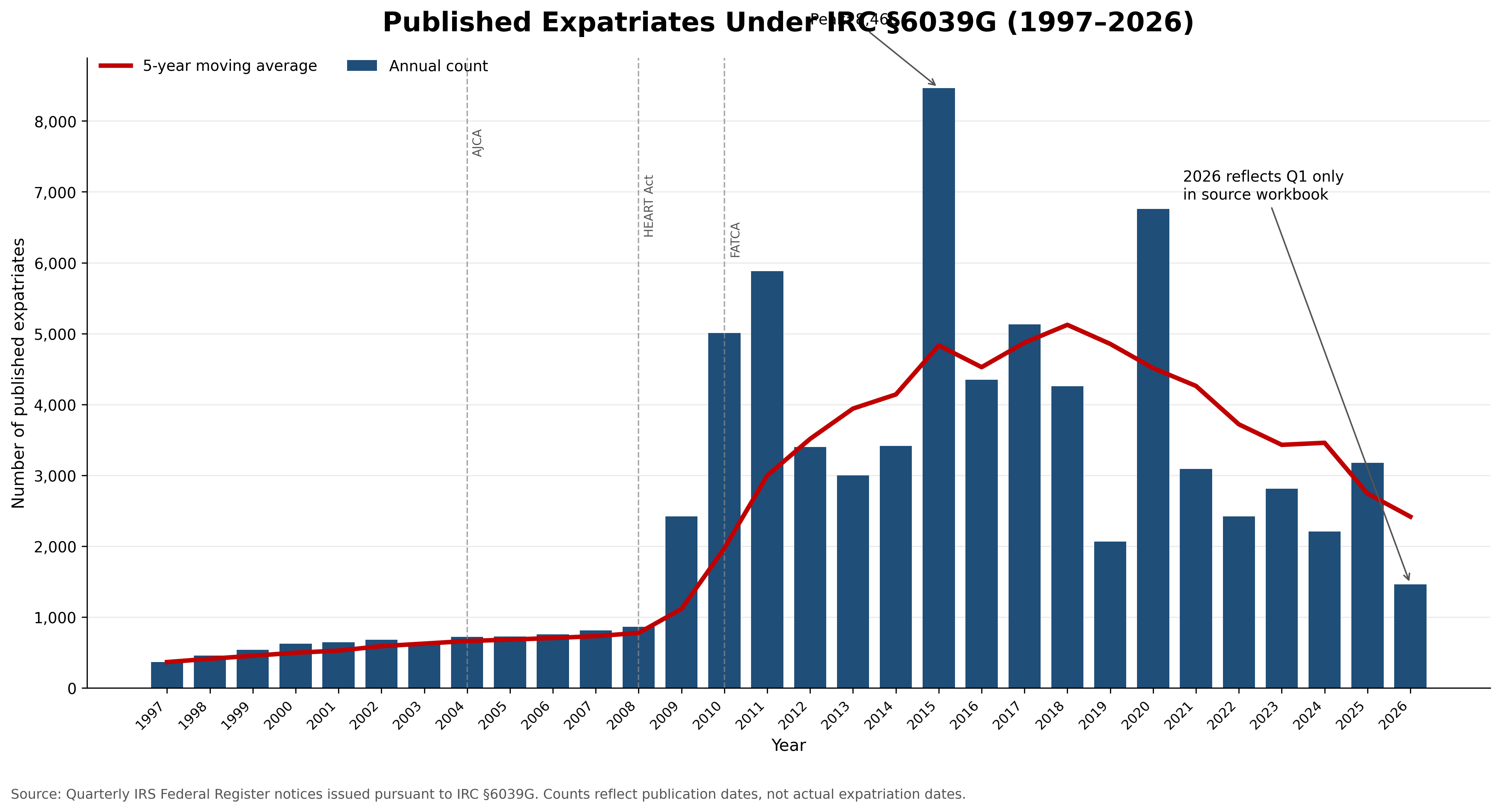
As of September 2026, the U.S. Department of State has reduced the U.S. citizenship renunciation fee from $2,350 to $450. Adjusted for inflation since the 2014 increase, $450 today is equivalent to approximately $320 in 2014 dollars — the lowest real-terms cost for renunciation in more than a decade.
This is what the updated government website provides regarding renunciation:
Overview
Relinquishment of U.S. citizenship by performing certain statutory expatriating acts, including taking the oath of renunciation, voluntarily and with the intent of relinquishing U.S. citizenship, is a personal right that cannot be exercised on a person’s behalf. For example, a person’s parent(s) or legal guardian may not take the oath of renunciation for that person. A Certificate of Loss of Nationality (CLN) approved by the Department of State is the final agency determination of loss of U.S. nationality.
NOTE: STEPS 1-4 below outline the process for requesting a CLN based on taking an oath of renunciation before a U.S. diplomatic or consular officer abroad under Immigration and Nationality Act (INA) Section 349(a)(5), 8 USC 1481(a)(5). For information on the parallel process to request a Certificate of Loss of Nationality (CLN) on the basis of the commission of another potentially expatriating act under INA 349(a)(1)-(4), 8 USC 1481(a)(1)-(4), please contact your location by selecting it below.
Oath of Renunciation of U.S. Nationality
Embassy, consulate, or office providing consular services process requests to take the oath of renunciation of U.S. citizenship. Minors, individuals who do not read or write English, individuals with mental health or cognitive disability or impairment and/or guardianship, and those for whom loss of U.S. nationality would result in statelessness are invited to contact your location to discuss taking the oath of renunciation.
Taking an oath to renounce U.S. nationality before a U.S. diplomatic or consular officer overseas is a serious and irrevocable act. Therefore, you should carefully consider and fully understand the consequences and ramifications of this act prior to your decision to begin the process.
Steps to Take
STEP 1: Review the legal requirements and consequences/ramifications of taking the oath of renunciation of U.S. citizenship.
Please read the information provided by the embassy, consulate, or office providing consular services and available online at the Department of State and Internal Revenue Service links below regarding the legal requirements for taking the oath of renunciation before beginning this process. Loss of U.S. nationality is irrevocable, and you should fully understand the consequences and ramifications before beginning this process.
The Court agrees. In Mann Construction, Inc. v. United States, 27 F.4th 1138 (6th Cir. 2022), the court found that Notice 2007-83 failed to comply with the APA’s notice-and-comment procedure. Similarly here, because Notice 2009-85 has not been subject to a notice-and-comment procedure, it does not comply with the APA and thus is not binding. As such, Aroeste was not required to file Form 8854 with his amended returns.]
[See, Aroeste v. United States – where IRS Form 8854 is not binding as IRS Notice 2009-85 is invalid.]
STEP 2: Email your locationto initiate the process and receive instructions. Gather and submit scanned copies of the required documents and schedule your first interview.
To schedule an initial interview, which will be conducted by telephone or in-person at the embassy, consulate, or office providing consular services, please send an email to your location. Canada, Bern, Berlin, Amsterdam, Australia (Sydney and Melbourne), Singapore, Brussels, and Paris provide electronic first interviews
Applicants should personally review all documents and prepare all forms provided by the embassy, consulate, or office providing consular services in accordance with the instructions. DO NOT SIGN ANY FORMS BEFORE YOUR FINAL INTERVIEW.
STEP 3: Schedule and attend the final interview at the embassy, consulate, or office providing consular services with all required original documents and pay the fee.
Schedule your final interview appointment according to embassy, consulate, or office providing consular services instructions. On the day of your final interview appointment, you must bring all of the original documents you previously submitted by email. You will be asked to reschedule if you do not have the required documents at the time of your final interview appointment.
Your Consular Report of Birth Abroad, and Certificate of Naturalization or Citizenship, if applicable, generally will be retained by the embassy, consulate, or office providing consular services during the remainder of the process and then returned to you. Your U.S. passport also will be retained and, if your Certificate of Loss of Nationality is approved by the Department of State, it will be canceled before it is returned to you upon your request. If you need to travel to the United States on your U.S. passport after the second interview but before the Certificate of Loss of Nationality has been approved, please so advise the embassy, consulate, or office providing consular services at the second interview.
You will meet with a consular officer for your second interview and you will be given another opportunity to review the documents that you have already filled out (but not signed) Form DS-4079, Questionnaire; Loss of United States Nationality; Attestations prior to signing them and taking the oath of renunciation.
Fee: Immediately after taking the oath of renunciation, you must pay the non-refundable current fee of US $450 for administrative processing of a request for a Certificate of Loss of Nationality. The fee is not waivable, nor is it refundable if your request for a Certificate of Loss of Nationality is denied.
Step 4: Receive the Certificate of Loss of Nationality if approved by the Department of State
The Department of State will review each request for a Certificate of Loss of Nationality to determine whether there is a legal basis to approve it. This step may take several months or more. The embassy, consulate, or office providing consular services may contact you for further information before the Department of State decides your case. The embassy, consulate, or office providing consular services will email you if and when your request has been approved. If your request is denied, the embassy, consulate, or office providing consular services will send you an email attaching a denial letter.
NOTE: STEPS 1-4 above outline the process for requesting a CLN based on taking an oath of renunciation before a U.S. diplomatic or consular officer abroad under Immigration and Nationality Act (INA) Section 349(a)(5), 8 USC 1481(a)(5). For information on the parallel process to request a Certificate of Loss of Nationality (CLN) on the basis of the commission of another potentially expatriating act under INA 349(a)(1)-(4), 8 USC 1481(a)(1)-(4), please contact your location for inquiries.
Fees (Prices in U.S. Dollars)
Non-refundable fee of $450 USD at the time of the appointment.
What the Fee Reduction Does Not Change
The $450 consular fee covers only the State Department’s administrative processing of the renunciation appointment. It has no effect on the U.S. tax consequences of renunciation, which are governed entirely by separate federal tax law.
A U.S. citizen who renounces citizenship in 2026 still faces the same IRS obligations as before the fee change. Form 8854, the Initial and Annual Expatriation Information Statement, must still be filed. The five-year tax compliance certification is still required. If the renouncing individual qualifies as a covered expatriate under the three IRS tests — net worth, average annual tax liability, and compliance certification — the Section 877A mark-to-market exit tax still applies in full.
The fee reduction makes the administrative step of renouncing less expensive. It does not reduce the tax cost.
Is the $450 Fee the Only Cost of Renouncing?
No. The consular fee is the smallest cost most people encounter. The substantive costs of renunciation depend entirely on the individual’s financial situation and filing history. For individuals who are covered expatriates, the Section 877A exit tax can represent a significant liability. For individuals with unfiled FBARs or unreported foreign accounts, FBAR penalties may apply separately.
Attorney fees for proper pre-renunciation planning, tax preparation for Form 8854, and any exit tax liability are the costs that vary significantly from person to person. The $450 appointment fee is the one cost that is the same for everyone.
When Did the Fee Change Take Effect?
The State Department updated its fee schedule in September 2026, reducing the U.S. citizenship renunciation fee from $2,350 to $450 effective immediately. The $2,350 fee had been in place since September 2014, when it was increased by more than 500 percent from the prior $450 level. In real terms, adjusted for inflation since 2014, the current $450 fee is equivalent to approximately $320 in 2014 dollars.
Aroeste v. United States: Frequently Asked Questions for Green Card Holders
In November 2023, the United States District Court for the Southern District of California ruled in favor of the taxpayer in Aroeste v. United States, Case No. 22-cv-00682-AJB-KSC. The government appealed to the Ninth Circuit and then conceded, making the ruling final. The case was litigated by Patrick W. Martin of Chamberlain Hrdlicka. The decision established that a long-term lawful permanent resident who filed Form W-8BEN and elected non-resident treatment under a U.S. income tax treaty is not automatically a covered expatriate subject to the Section 877A exit tax. The questions and answers below address the most common issues that arise for green card holders and their advisors in light of that ruling.
The U.S. tax law is complicated generally. It gets really complex when you renounce your United States citizenship or you cease to be a “lawful permanent resident” as that term is technically defined in the U.S. federal tax law. The comments in Tax-Expatriation.com are designed to help demystify some of this complexity.
Hence, posts addressing various FAQs – for those who have or “had” a “green card” – please see the following:
“Delinquent FBAR Filing Procedures”: The IRS Webpage Is Gone, but the Real Questions Remain
“Delinquent FBAR Filing Procedures”
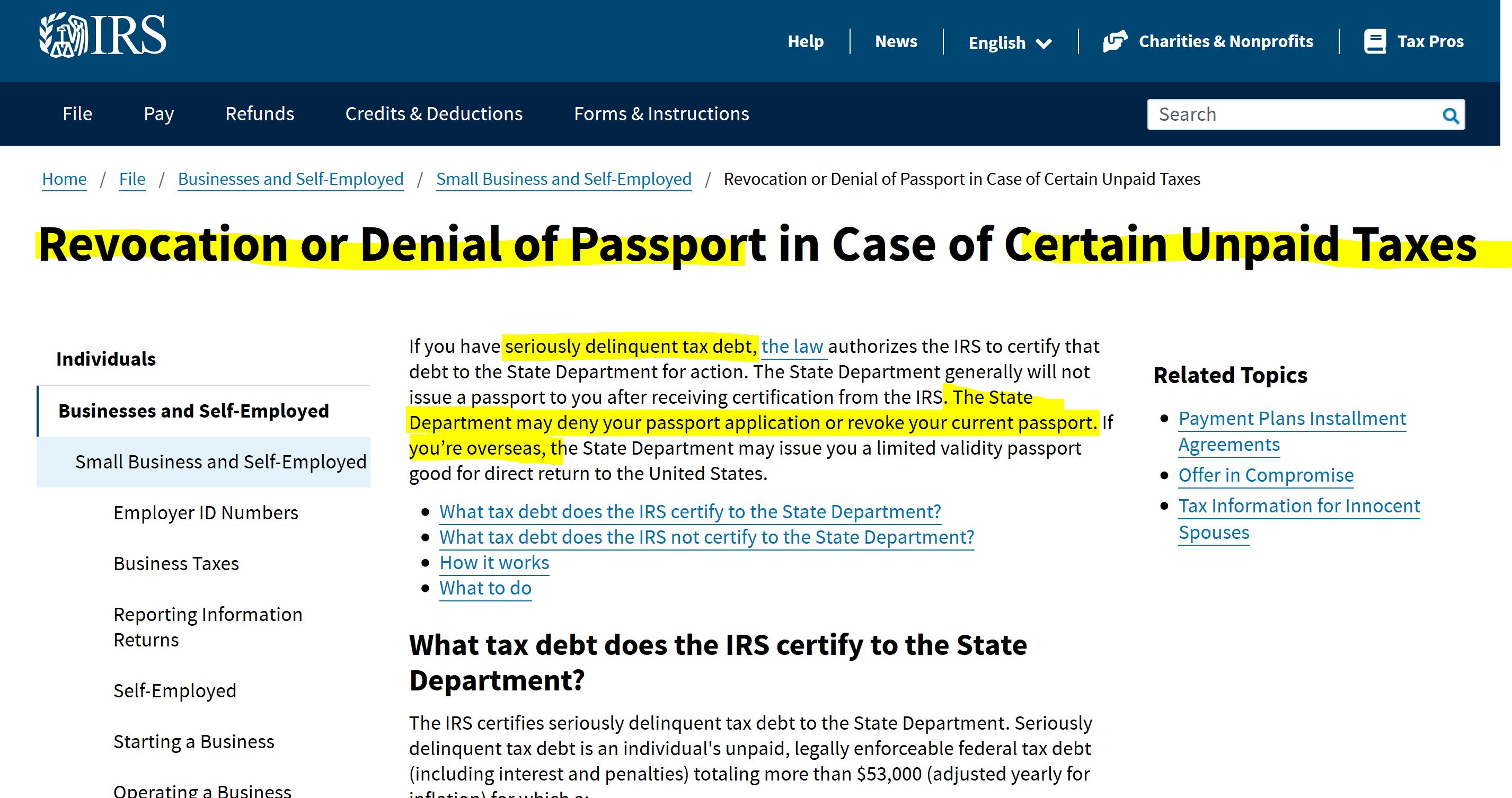
There has been considerable commentary—and some concern—about the IRS’s removal, around the end of June 2026, of its longstanding webpage titled “Delinquent FBAR Filing Procedures.” The IRS originally created those procedures in 2014.
The disappearance of the webpage is noteworthy. But it may not be nearly as important as some commentators suggest.
TIGTA report: $157 Billion of Potentially Unreported Foreign Accounts?
As the TIGTA reports: “Foreign financial institutions (FFI) are required to File IRS Form 8966, FATCA Report, to report information about financial accounts in which U.S. taxpayers hold certain ‘ownership interests.'”
TIGTA noted that foreign financial institutions report U.S.-owned financial accounts to the IRS on Form 8966, FATCA Report, while U.S. taxpayers separately report specified foreign financial assets on Form 8938. The disparity identified by TIGTA was enormous.
For 2017 and 2018, taxpayers reported (on their IRS Form 8938) approximately $6.6 billion and $15.9 billion, respectively, while foreign financial institutions reported (on IRS Form 8966) approximately $106.8 billion and $173.0 billion.
From these figures, TIGTA concluded that the data indicated potential unreported or underreported foreign bank-account values of approximately $157 billion.
That conclusion deserves considerable skepticism. Among other questions: how many of those reported foreign assets belong to lawful permanent residents—“green card” holders—who actually reside overseas and may qualify as residents of a treaty country under an applicable U.S. income tax treaty?
That was precisely the type of residency issue presented in my case of Aroeste v. United States, Case No. 22-cv-00682-AJB-KSC (S.D. Cal. 2023).
Account holders and their advisors nevertheless have good reason to take FBAR exposure seriously. Federal courts have increasingly accepted a relatively low threshold for establishing a “willful” FBAR violation. The government generally needs to prove its civil FBAR case only by a preponderance of the evidence, and courts have repeatedly held that willfulness can include recklessness or willful blindness, rather than requiring proof that the taxpayer deliberately intended to violate the FBAR statute.
See, among others, United States v. Reyes (2d Cir. 2026); Bedrosian (3d Cir.); Horowitz (4th Cir.); Kelly (6th Cir.); Rum and Schwarzbaum (11th Cir.); and Norman and Kimble (Federal Circuit).
That is where the real concern lies, not simply in the disappearance of an IRS webpage.
The IRS Removed the Webpage—Not Its Internal Guidance in the IRM (the IRS’ “Bible”)
The IRS removed the public-facing “Delinquent FBAR Filing Procedures” webpage, but the same guidance remains in the Internal Revenue Manual (IRM) to still encourage late filed FBAR filings. The same language is found in the IRM, which is the most important since revenue agents and managers “are responsible for adhering to the content of this IRM”. See, IRM 4.26.16.1(i).
The IRM continues to provide that an FBAR penalty should not be imposed when:
the violation was due to reasonable cause; and
accurate delinquent or amended FBARs are filed to correct the prior violations.
The critical point is that filing a delinquent FBAR does not itself establish reasonable cause or eliminate a potential penalty, but notification of the government is required if you go down this path.
IRM 4.26.16.3.11 continues to describe the delinquent FBAR filing procedures. Among other things, it instructs taxpayers to file delinquent FBARs electronically, using the instructions applicable to the year being reported, and to provide the reason why the FBAR was filed late.
Most importantly, the IRM states that a penalty will not be asserted for an account “if it is determined” that:
the failure was not willful;
the failure was due to reasonable cause; and
the account was properly reported on the delinquent FBAR.
The words “if it is determined” are crucial. Who makes that determination? See my case of Jones v. United States, No. 19-CV-4950 (C.D. Cal. 2020), as a cautionary tale.
Ultimately, the IRS makes this determination which starts the government machinery running. Its not the account holder, the person with signature authority, or the taxpayer’s advisor; no matter how convinced they are of their reasonable cause and their facts.
The More Important Question (Implied Above): Should You File a Late FBAR at All?
This is the question that deserves considerably more attention.
Whether someone should file a delinquent FBAR depends entirely upon the person’s particular facts and circumstances. Filing late is not automatically the safest course.
One of the most important considerations is the six-year FBAR statute of limitations under 31 U.S.C. § 5321(b)(1). That limitation period is fundamentally different from certain Title 26 international information-reporting rules, where the assessment period can remain open under IRC § 6501(c)(8).
Accordingly, before filing a delinquent FBAR, an account holder should understand at least two competing questions:
What are the consequences of filing late?
What are the consequences of not filing at all?
Those questions cannot responsibly be answered without examining the particular years involved, when the six-year limitations period expires, the underlying income-tax filings, what the taxpayer knew, all of the surrounding facts, what advice was received, and whether the government might characterize the conduct as willful or reckless.
Bittner Changed the Economics of FBAR Enforcement
The Supreme Court’s decision in Bittner v. United States, 598 U.S. 85 (2023), significantly changed the strategic landscape.
The Court held that the non-willful FBAR penalty applies on a per-report, rather than per-account, basis. That substantially reduced the government’s potential penalties in all non-willful cases involving numerous foreign accounts.
As a practical matter, Bittner also changed the economics of FBAR enforcement. I had the privilege of working on the ACTEC amicus brief filed in Bittner – which was cited in both the majority opinion by Justice Gorsuch and the dissent by Justice Barrett – See Brief for American College of Trust and Estate Counsel as Amicus Curiae 5–7.
In my view, the IRS now has a greater incentive to focus its enforcement resources on cases in which it believes it can establish willfulness through reckless disregard or willful blindness, thereby potentially supporting the much larger willful FBAR penalty.
These Are the IRS’s Own Rules
It is also important to distinguish the statute from the IRS’s administrative procedures.
I sometimes refer to these as the IRS’s “Monopoly rules.” They are the government’s administrative rules for handling delinquent FBARs; they are not themselves statutory safe harbors enacted by Congress.
That distinction matters.
The IRM says a penalty will not be asserted “if it is determined” that reasonable cause exists and the other requirements are satisfied. But “reasonable cause” is not defined in the FBAR statute itself, Title 31.
Instead, courts and the government have borrowed concepts developed under Title 26, including the Supreme Court’s familiar “ordinary business care and prudence” standard. See United States v. Boyle, 469 U.S. 241 (1985); see also Moore v. United States, No. C13-2063RAJ (W.D. Wash. 2015), and United States v. Ott, No. 2:18-cv-12174 (E.D. Mich. 2019).
Filing Late Does Not Erase the Original Violation
This point is sometimes overlooked.
Once an FBAR filing deadline has passed without the required report being filed, subsequently filing the FBAR does not somehow erase the historical failure.
The water has already passed under the bridge.
A delinquent filing may become highly relevant to reasonable cause, mitigation, cooperation, and the government’s ultimate enforcement decision. But it does not make the original failure disappear.
Moore provides an important cautionary example. An even more dramatic example arose in Jones v. United States, No. 19-CV-4950 (C.D. Cal. 2020), a case I represented as we prepared for a jury trial during the COVID period.
Mrs. Jones, an elderly widow, and her late husband’s estate challenged approximately $3.4 million in willful FBAR penalties. She had affirmatively disclosed her late filings to the IRS through the streamlined process after filing the delinquent FBARs. The government nevertheless pursued a willfulness theory based substantially on willful blindness.
The government argued willful blindness and Mrs. Jones (90+ years of age), ironically, was legally blind by the time the case was set to go to trial.
That is one reason the facts surrounding preparation and signing of the income-tax return can become just as important as the FBAR itself.
The lesson is important: coming forward and filing late does not itself immunize an account holder from an FBAR penalty examination. It does not mean a revenue agent will come to the right result based upon the facts of your case. It can be a bit like the lottery.
“Reasonable Cause” May Not Mean What You Think
What does it take for the IRS to conclude that reasonable cause does not exist?
Sometimes, not much.
A simple “mistake” or “oversight” does not necessarily constitute reasonable cause. The government generally looks for evidence that the person exercised ordinary business care and prudence but nevertheless could not comply.
Death, serious illness, destruction of records, fire, or natural disaster can support reasonable cause under appropriate circumstances. But even those facts do not automatically establish it.
Likewise, ignorance of the FBAR requirement ordinarily does not automatically establish reasonable cause. Even reliance on professional tax advice may be insufficient—particularly where the government contends that the advisor lacked appropriate international-tax expertise or that the taxpayer failed to provide the advisor with the relevant information.
The disappearance of the IRS webpage titled “Delinquent FBAR Filing Procedures” should not itself drive a taxpayer’s decision.
The underlying IRS guidance remains in the Internal Revenue Manual.
The much more important question is whether filing a delinquent FBAR is actually the appropriate strategy for the particular individual and the particular years involved.
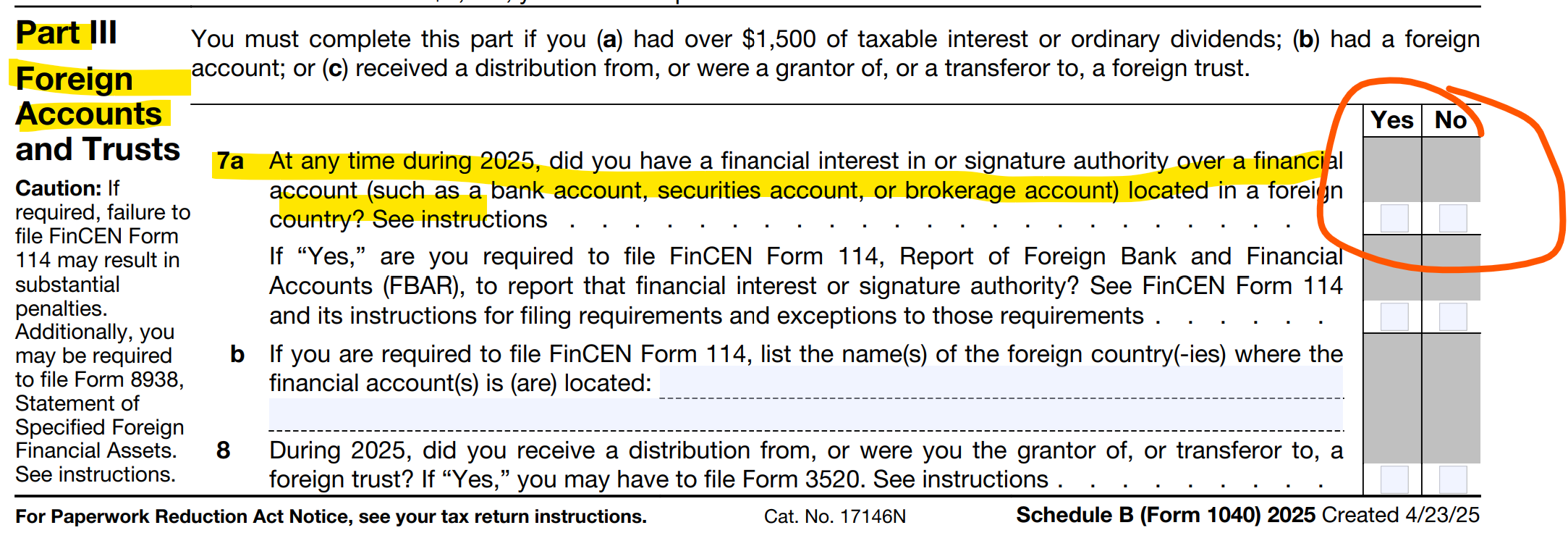
That requires understanding the six-year FBAR statute of limitations, the taxpayer’s underlying filing history, the reason the FBAR was not timely filed, what the taxpayer knew, what professional advice was received, the information appearing on Schedule B and other returns, and the possibility that the government could characterize the conduct as reckless or willful.
Once a delinquent FBAR is filed, the filing—and the taxpayer’s explanation for filing late—cannot simply be taken back.
So be thoughtful when someone recommends entering the “Delinquent FBAR Filing Procedures” for a low low fee of just US$**99.99.
Understand why you are filing, what you are saying to the government, what years remain open, and what consequences may follow.
Dive in with your eyes wide open – and make sure you can see the bottom before you jump.
Tax Problems that Turn Serious – can Cause a Green Card Holder to become a “Covered Expatriate”
In Kawashima v. Holder (565 U.S. 478 (2012), the United States Supreme Court held that certain tax offenses committed by lawful permanent residents constitute crimes involving “fraud or deceit” for purposes of the Immigration and Nationality Act (“INA”). Specifically, the Court concluded that lawful permanent residents (a husband and wife from Japan) who were convicted of filing false tax returns resulting in a tax loss exceeding $10,000 had been convicted of an “aggravated felony” within the meaning of the INA.
As a consequence, a conviction for such an aggravated felony renders a lawful permanent resident removable (deportable) from the United States under the immigration laws. Importantly, however, the criminal conviction itself does not automatically terminate lawful permanent resident status. Rather, it provides the legal basis for the Department of Homeland Security to initiate removal proceedings, after which an Immigration Judge may enter a final order of removal.
Once a final order of removal becomes effective, the individual’s lawful permanent resident status is considered to have been revoked. For U.S. federal income tax purposes, this generally results in the termination of lawful permanent resident status under 26 U.S.C. § 7701(b)(6)(B), which provides that an individual ceases to be a lawful permanent resident when “such status has been revoked or has been administratively or judicially determined to have been abandoned.” Accordingly, following a final order of removal, the individual is no longer treated as a lawful permanent resident for purposes of the tax law as summarized below:
Stage
Legal Effect
1. Criminal conviction (including guilty plea)
If the offense qualifies as an “aggravated felony” under INA §101(a)(43), the individual becomes deportable under 8 U.S.C. §1227(a)(2)(A)(iii). A guilty plea counts as a conviction for immigration purposes if the statutory definition of “conviction” is satisfied.
2. DHS initiates removal proceedings
DHS serves a Notice to Appear (NTA) charging removability before an Immigration Judge under 8 U.S.C. §1229a.
3. Immigration Judge determines removability
DHS bears the burden of proving deportability by clear and convincing evidence, typically through the certified judgment of conviction.
4. Final order of removal
If removability is sustained and no relief is available, the Immigration Judge orders removal. After appeals are exhausted (or waived), the removal order becomes final, and the person’s LPR status ends.
The 2012 case involved Akio and Fusako Kawashima, Japanese citizens who had been lawful permanent residents since 1984. Mr. Kawashima pleaded guilty to willfully filing a false tax return under 26 U.S.C. § 7206(1), while Mrs. Kawashima pleaded guilty to aiding and assisting in the preparation of a false tax return under 26 U.S.C. § 7206(2). The immigration judge issued the order of removal. The Board of Immigration Appeals affirmed. Holding that convictions under 26 U. S. C. §§7206(1) and (2) in which the Government’s revenue loss exceeds $10,000 constituted aggravated felonies, the Ninth Circuit affirmed and ultimately so too did the SCOTUS in this decision.
The Supreme Court concluded that these tax offenses necessarily involve fraud or deceit and, because the tax loss exceeded the statutory $10,000 threshold, they constituted aggravated felonies under immigration law. The Supreme Court of the U.S. therefore upheld the government’s order (which had been upheld through the Ninth Circuit Court of Appeals) removing the Kawashimas to Japan.
This of course is important for U.S. “expatriation tax” purposes, since the “lawful permanent resident” status for tax purposes will necessarily terminate upon the final order of removal. Not before. Once LPR status terminates, the individuals will become covered expatriates, if they meet the time period under the statute to become “long term residents” as was the case for Mr. and Mrs. Kawashima and meet either of the three tests: the tax liability, net asset and certifications of compliance with the federal tax laws. See, Why a “long-term” LPR can NEVER avoid “Covered Expatriate” status under IRC Section 877A(g)(1)(B) if Asset or Tax Liability Test is Satisfied!
Part II of Part II: The Gold Card – The U.S. Tax Costs – “It’s like the green card, but better and more sophisticated.”
See Part I for the background discussion, which was published more than a year ago.
This article focuses on the tax consequences of the “Trump Gold Card” program and, in particular, the implications if participation ultimately leads to U.S. citizenship (“USC”).
The final version of the Gold Card program requires a $1 million contribution to the federal government, rather than the $5 million amount initially discussed in April 2025. See the government website, The Trump Gold Card is Here.
It is also important to note that President Trump established the Gold Card program through Executive Order 14351 in September 2025. Congress did not enact the program through legislation.
The Cost of a Trump Gold Card
For a $15,000 Department of Homeland Security processing fee and, following successful background review, a $1 million contribution to the federal government, an applicant may obtain U.S. permanent residence through the Gold Card program.
Why Would an Ultra-High-Net-Worth Individual Voluntarily Enter the U.S. Tax Net?
A fundamental question arises: Why would an ultra-high-net-worth (“UHNW”) individual contribute $1 million to obtain U.S. residence and potentially U.S. citizenship, thereby becoming subject to one of the world’s most expansive tax systems?
For many individuals, acquiring U.S. citizenship or lawful permanent resident (“LPR”) status can result in exposure to:
U.S. income taxation on worldwide income;
U.S. gift taxation on worldwide transfers of property; and
U.S. estate taxation on worldwide assets at rates that currently reach 40%.
U.S. Estate and Gift Taxation of Worldwide Assets
The United States generally imposes estate and gift taxes on the worldwide assets of U.S. citizens. In addition, lawful permanent residents who are domiciled in the United States may become subject to the same worldwide transfer tax regime.
Unlike many countries, the United States generally does not permit its citizens to escape worldwide taxation simply by relocating abroad. Most U.S. income tax treaties and estate and gift tax treaties contain a “savings clause” that preserves the right of the United States to tax its citizens notwithstanding treaty provisions.[1]
U.S. Estate and Gift Taxation of Worldwide Assets
As a result, the worldwide assets of a U.S. citizen may be included in the U.S. transfer tax system under IRC §§ 2001 and 2031 (estate tax) and IRC §§ 2501 and 2511 (gift tax).
Consider a U.S. citizen who owns:
a residence in Norway;
shares of a Mexican corporation;
a bank account in Singapore;
an interest in a Liechtenstein foundation (Stiftung);
a portfolio of securities held through a London financial institution; and
an apartment in Dubai.
Subject to applicable valuation and ownership rules, each of these assets generally forms part of the individual’s worldwide taxable estate for U.S. estate tax purposes.
By contrast, a non-U.S. citizen who is not domiciled in the United States generally would not be subject to U.S. estate tax on any of these assets, unless they include U.S.-situs property such as stock issued by U.S. corporations.
The difference can be dramatic: no U.S. estate tax exposure versus potential exposure to a 40% U.S. estate tax on worldwide assets.
U.S. Income Taxation of Worldwide Income
The contrast is equally significant in the income tax context.
A nonresident generally is subject to U.S. income taxation only on limited categories of U.S.-source income and income effectively connected with a U.S. trade or business.
A U.S. citizen, however, remains subject to U.S. federal income taxation on worldwide income regardless of where the individual resides.
Consequently, a foreign entrepreneur, investor, or family office principal who acquires U.S. citizenship will find that income earned from businesses, investments, trusts, partnerships, and financial accounts throughout the world generally becomes reportable to the Internal Revenue Service and subject o U.S. income taxation.
That result raises an obvious question: if the program is available, why have so few ultra-high-net-worth individuals pursued it successfully?
The most obvious explanation is that the long-term U.S. tax consequences may outweigh the perceived immigration benefits for many globally mobile individuals.
Comparison to the EB-5 Program
Different applicants may have different motivations.
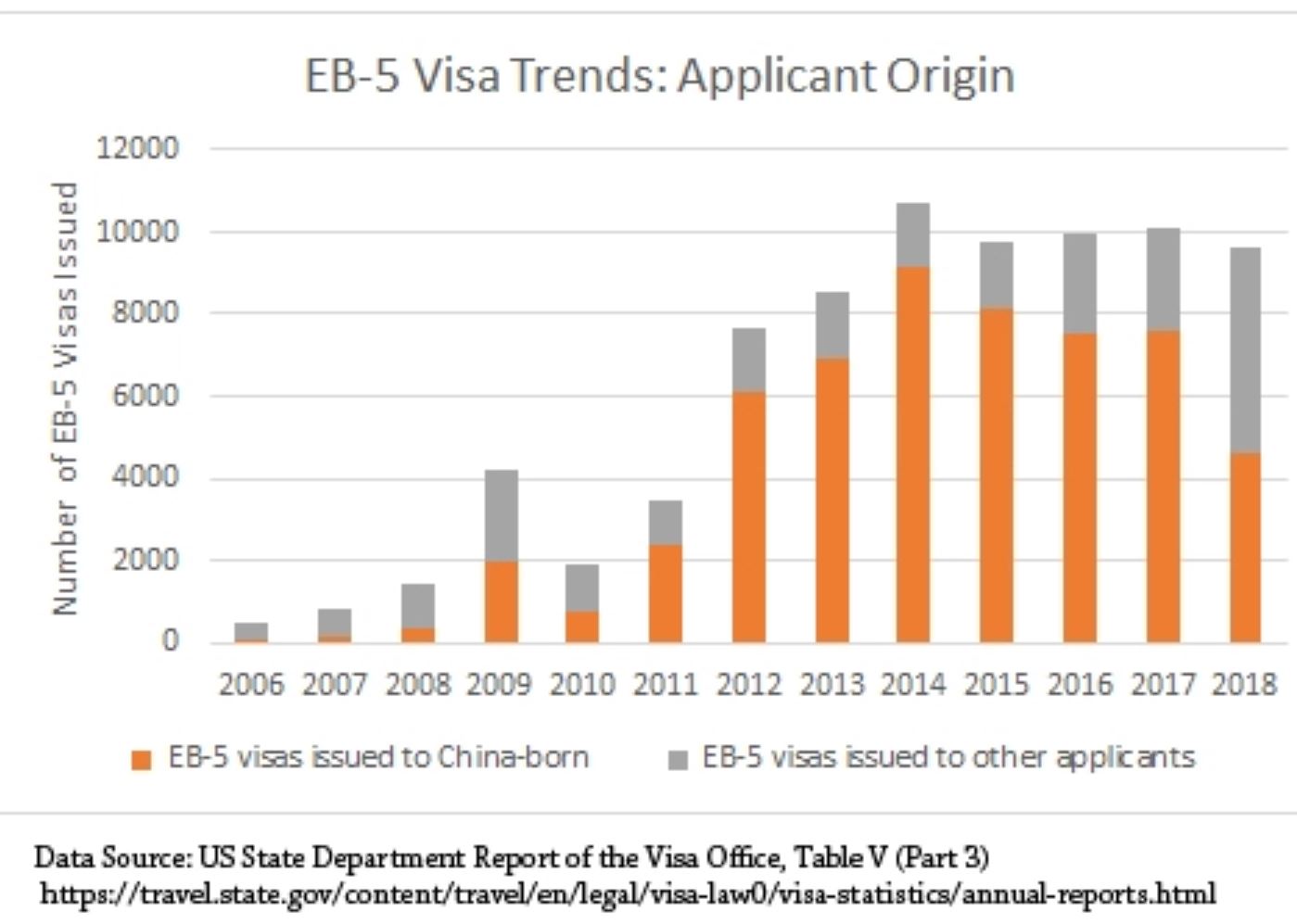
The traditional EB-5 immigrant investor program generally requires a qualifying investment that, if successful, may ultimately be recovered. The program also requires satisfaction of statutory requirements, including job creation. Approximately 200,000+/- individuals have obtained a green card through the EB-5 program. There are important unintended tax consequences that can befall individuals here: see, Oops…Did I “Expatriate” and Never Know It: Lawful Permanent Residents Beware!International Tax Journal, CCH Wolters Kluwer, Jan.-Feb. 2014, Vol. 40 Issue 1, p9).
EB-5 Visa Applicants by Country
By contrast, the Gold Card program requires a direct contribution to the federal government.
In either case, the successful applicant receives lawful permanent resident status. However, if the Gold Card ultimately serves as a pathway to naturalized U.S. citizenship, the applicant may become subject to the unique worldwide taxation regime applicable to U.S. citizens.
The Expatriation Problem
If Gold Card holders ultimately naturalize as U.S. citizens, future departure from the U.S. tax system will necessarily become significantly more complicated.
Individuals who later seek to relinquish U.S. citizenship will necessarily face the expatriation rules of IRC § 877A and be tainted with “covered expatriate” status.
As discussed in earlier posts, covered expatriate status can have substantial long-term tax consequences for both the expatriating individual and future recipients of gifts and inheritances.
Legal Questions Surrounding the Program
The Gold Card program also raises constitutional and statutory questions.
Unlike the EB-5 program, which was enacted by Congress, the Gold Card program was created through executive action. Congress did not amend Title 8 of the United States Code to establish a new immigrant category.
Whether the Executive Branch possesses sufficient statutory authority to create such a program remains an open legal question (I am doubtful it will be sustained – if challenged) and will likely be the subject of continued litigation and judicial review.
The outcome of pending litigation involving other immigration-related executive actions may provide useful guidance regarding the scope of presidential authority in this area. We await the outcome of the latest case litigated through the courts. See, Supreme Court appears likely to side against Trump on birthright citizenship which was also issued by an executive order.
Who Truly Benefits?
Who is the ideal candidate for a Trump Gold Card? Only one person thus far has one.
For almost all HNW individuals, the immigration benefits, travel flexibility, business opportunities, and potential pathway to U.S. citizenship would rarely justify the cost. Someone with assets below US$20M might find it attractive.
For almost all others—particularly those with substantial foreign businesses, investment portfolios, trusts, and family wealth located outside the United States—the long-term consequences of worldwide U.S. income, estate, and gift taxation will almost always substantially outweigh the advantages.
As a result, any prospective applicant for a Trump Gold Card should carefully evaluate not only the immigration benefits of the program (+ the uncertainty in the law), but particularly the tax consequences that will follow for decades thereafter.
World Cup & Playing in the United States: Green Card Holders, the Treaty Tiebreaker, and the Global Athlete or Entertainer
As the world’s athletes have arrived to perform on U.S. soil, the U.S. tax system is a broad net. The 2026 FIFA World Cup—hosted across the United States, Mexico, and Canada—is a useful occasion to revisit a question that recurs every time a global athlete or entertainer steps onto a U.S. field, stage, or court: what does the United States get to tax, what forms govern the answer, and when does a visiting performer or athlete cross the line from nonresident into resident – including if they hold a lawful permanent resident card?
This blog is dedicated to issues of “tax expatriation” which crosses into different professions and global lifestyles. See, for instance the following prior blogs:
There are of course many famous athletes who were not U.S. citizens and then became green card holders and oftentimes then became naturalized U.S. citizens. Since the Knicks just won the NBA championship after 53 years, one of their greatest, Patrick (mi tocayo) Ewing left Jamaica as a boy, became a green card holder and then a naturalized citizen. A 1985 New York Times article, A Favorite Son Goes Home, describes his first return to the island since a boy.
Soccer players, have moved all over the world and Alejandro Zendejas is a current U.S. World Cup player born in Ciudad Juarez, Chihuahua, Mexico, at the border who later obtained lawful permanent residency and also became a naturalized citizen. That means (as a result of his naturalized U.S. citizenship) if he were ever to renounce his U.S. citizenship, he would necessarily become a “covered expatriate” as defined in the tax statute.
Athletes and entertainers are specially taxed in the U.S. in the sense they typically receive few benefits from the U.S. income tax treaty network. For instance, a world famous Norwegian soccer player such as Erling Haaland who has already equaled the Norwegian record (in just his first match) for most World Cup goals, previously belonging to midfielder Kjetil Rekdal is presumably subject to the U.S.-Norway treaty. The U.S.-Norwegian Income Tax Treaty is one of the very old tax treaties (1971) still on the books and has an “old fashioned” artist/entertainer/athlete provisions imbedded in the independent services provision that allows each government to specially tax artists and athletes if they earn over US$3,000.
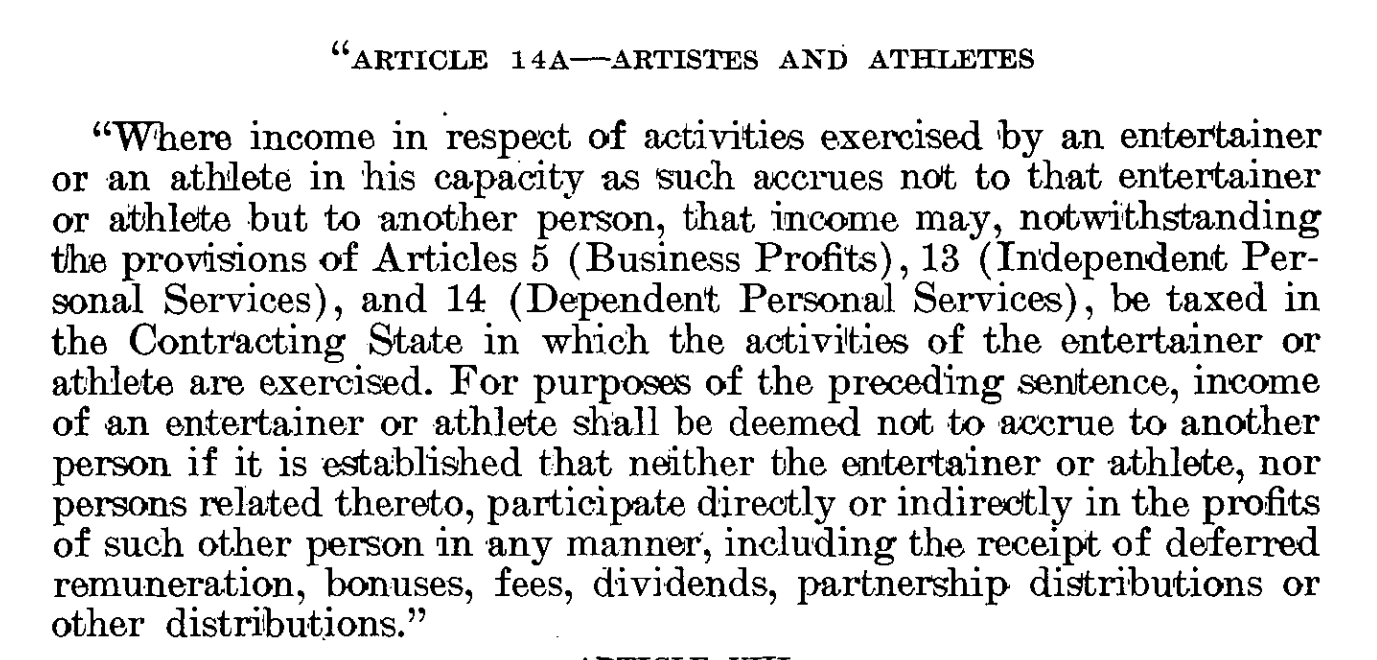
A protocol to the treaty adopted in 1980 has a “new” article 14A specific to artists and athletes as reflected here in its entirety allowing the government to tax athletes and entertainers when they perform in the country (overriding other protective provisions of the treaty – e.g., Business Profits Art. 5, Independent Personal Services Art. 13 and Dependent Personal Services Art. 14):
The IRS also adopted a specific program, called the Central Withholding Agreement (“CWA”) program created by Revenue Procedure 89-47 specific to artists and athletes. I personally think it is a program that is not authorized by the statute and often applied by the IRS in a manner that violates the withholding tax regime we have in Chapter 3 of our statutory tax law, Subtitle A. In practice, third parties are subject to the 30% withholding tax on certain gross proceeds paid to companies other than the artist or athlete, if the athlete or artist doe not participate with the IRS in their CWA.
Mexico
In the case of global soccer players, even one with a “lawful permanent resident” card (i.e., a “green card”) they may be subject to the Chapter 3 withholding tax rules if the athlete is like Mr. Aroeste (Aroeste v. United States (Case No. 22-cv-00682-AJB-KSC)) holding a green card in his pocket, but not a U.S. income tax resident by application of the residency rules set forth in an income tax treaty. Will the soccer player become a “covered expatriate” and not even know it (oops)?! It can get tricky quickly. There are important unintended tax consequences that can befall individuals here: see, Oops…Did I “Expatriate” and Never Know It: Lawful Permanent Residents Beware!International Tax Journal, CCH Wolters Kluwer, Jan.-Feb. 2014, Vol. 40 Issue 1, p9).
Meanwhile, Mexico and the U.S. have both advanced to the knockout round.
Canada plays Switzerland and presumably has a 99% chance of advancing to the Round of 23.
Form W-8 or W-9? Why the Wrong Choice Could Cost Green Card Holders Abroad
The choice between Form W-8 and Form W-9 comes down to one thing: your U.S. tax residency status, not your immigration status. Green card holders living abroad may be able to sign Form W-8 under a U.S. income tax treaty, but picking the wrong form means signing a false statement under penalty of perjury. And claiming treaty benefits carries a risk that many people never see coming. Consulting an experienced attorney before signing anything is essential.
What is the difference between Form W-8 and Form W-9?
Both forms tell your bank or financial institution whether you are a U.S. tax resident or not. Form W-9 is for U.S. residents, who must pay U.S. taxes on income they earn anywhere in the world. Form W-8BEN is for non-residents, who generally only pay U.S. taxes on certain types of income that come from U.S. sources. The form you sign has real legal consequences, not just administrative ones.
What happens if you sign the wrong form?
Signing either form is a certification made under penalties of perjury. If you are a U.S. tax resident and you sign Form W-8, you are making a false statement, and serious legal consequences may follow.
Why is this more complicated for green card holders living abroad?
U.S. citizens always sign Form W-9, with no exceptions. For everyone else, it depends on tax residency status. Green card holders are generally treated as U.S. tax residents even while living in another country, which would normally mean they sign Form W-9. But there is an important exception: if the country where they live has an income tax treaty with the United States, they may be able to claim non-resident status under that treaty and sign Form W-8 instead. There are important unintended tax consequences that can befall individuals here: see, Oops…Did I “Expatriate” and Never Know It: Lawful Permanent Residents Beware!International Tax Journal, CCH Wolters Kluwer, Jan.-Feb. 2014, Vol. 40 Issue 1, p9).
The United States has 58 income tax treaties that together cover 66 countries. That includes the 1973 U.S. and U.S.S.R. income tax treaty, which still applies today to nine former Soviet republics: Armenia, Azerbaijan, Belarus, Georgia, Kyrgyzstan, Moldova, Tajikistan, Turkmenistan, and Uzbekistan.
What did the court decide in Aroeste v. United States, and why does it matter?
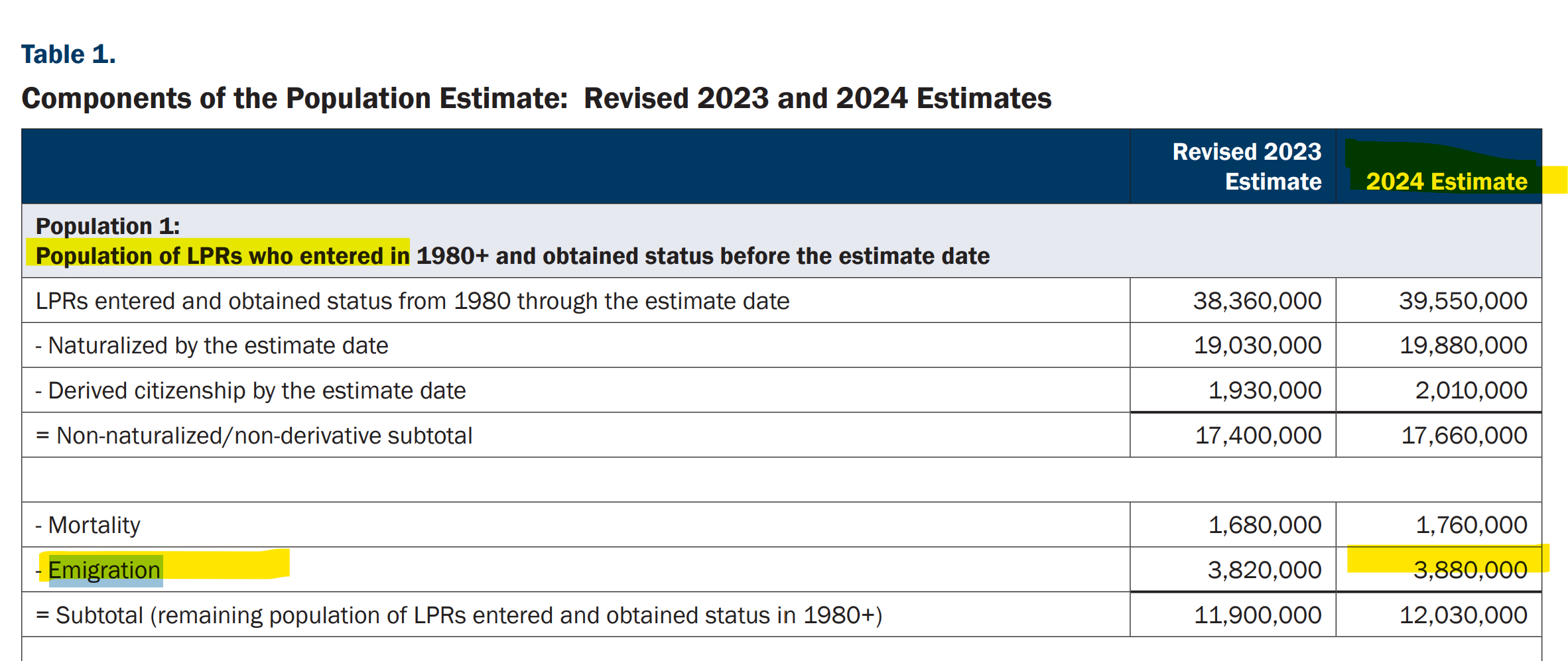
Aroeste v. United States (Case No. 22-cv-00682-AJB-KSC) is a federal court decision that established a 5-step analysis for green card holders who have not formally given up their green card but are living abroad. The key question the court addresses is whether a green card holder qualifies to be treated as a resident of a foreign country under an applicable U.S. income tax treaty. This ruling matters for the more than 3 million LPRs who are living outside the United States.
What are the benefits of successfully claiming non-resident status under a treaty?
If a green card holder qualifies as a non-resident under a tax treaty, they may be able to stop filing U.S. federal income tax returns on their worldwide income. They may also no longer be required to file the Foreign Bank Account Report, known as the FBAR, which would help them avoid the significant penalties that come with missing that filing. The court in Aroeste laid out the specific steps required to make this claim correctly.
One important note: if you claim non-resident status under a treaty but fail to report that treaty position to the IRS on time, you face a separate penalty under IRC Section 6712(a) of $1,000 for each failure to timely file. Claiming treaty status correctly and reporting it on time are both required.
What is the risk on the other side?
Claiming treaty-based non-resident status may also legally end your U.S. tax residency. Under IRC Section 7701(b)(6), this shift may cause you to cease to be a lawful permanent resident of the United States. That change may trigger the U.S. expatriation tax rules under IRC Section 877A(g)(3), which could classify you as a covered expatriate. The Aroeste court did not address these consequences because they were not part of that case, but they are real and potentially serious.
What does covered expatriate status mean for your family?
Covered expatriate status does not only affect you. If your family members or friends in the United States later receive gifts or an inheritance from you, they may owe U.S. tax on those transfers under the covered gift and covered bequest rules. This may affect children, spouses, and anyone else who would receive something from you.
Do you need an attorney before making this decision?
The answer depends on which country you live in, which treaty applies, the value of your assets, and your long-term plans. Getting it wrong may trigger exit taxes, affect your family’s inheritance, and have consequences that cannot easily be undone. This post explains the framework but is not a substitute for legal advice specific to your situation.
Green Card Holders (Abandonment) – so Many More than U.S. Citizens who Renounce: The Topsnik Problem(s)!
I have previously written (pre-Aroeste v. United States) about the thorny issues that LPRs face when spending substantial time outside the United States. See an earlier post titled:
I highlighted some key concepts about why it matters if you become a “long-term” resident as that term is defined in the tax law and now the case law in Aroeste makes these risks clear as confirmed in the landmark case.
A LPR can reside for substantially shorter periods in the U.S. (shorter than the apparent 7 or 8 years identified in the statute), and still be a “long-term resident” per IRC Section 877 (e)(2) depending upon the facts of any particular case.
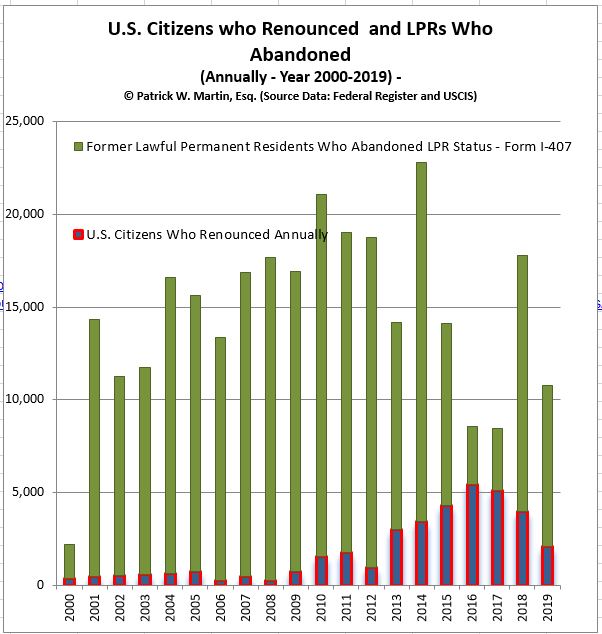
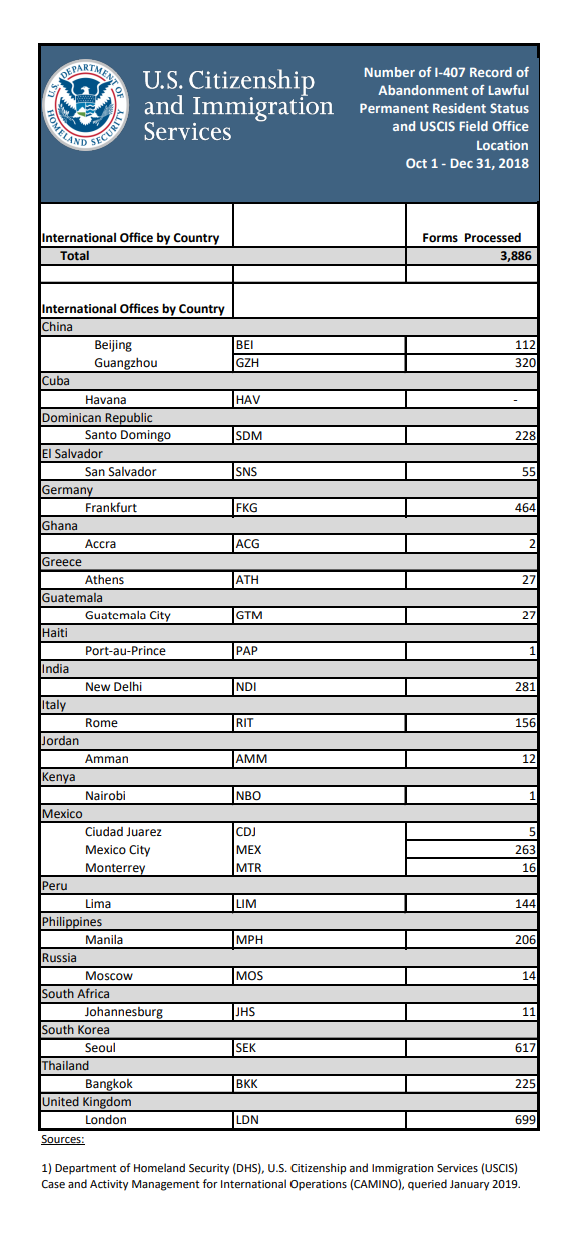
There are far more LPRs who abandon their status (formally) than U.S. citizens who formally take the oath of renunciation. See the table above reflecting those who have formally renounced U.S. citizenship versus those who have formally abandoned their LPR status.
Plenty of LPRs informally abandon their LPR status for immigration purposes by moving and living permanently outside the U.S.
There are plenty of timing issues for LPRs surrounding how and when they have “abandoned” their LPR status for purposes of IRC Section 877 (e)(2). See –
* More Green Card Holders Abandon Status Than Citizens Renounce Citizenship
A frequently overlooked fact is that:
Formal Abandonment of LPR Status Is More Common Than Citizenship Renunciation
Each year, substantially more lawful permanent residents formally abandon their green cards than U.S. citizens formally renounce citizenship. The focus in the press and media is typically U.S. citizens who formally renounce. Here is my most recently compiled graph, the total number of U.S. citizens renouncing is typically in the thousands (few) each year. It has trended downward post-COVID.
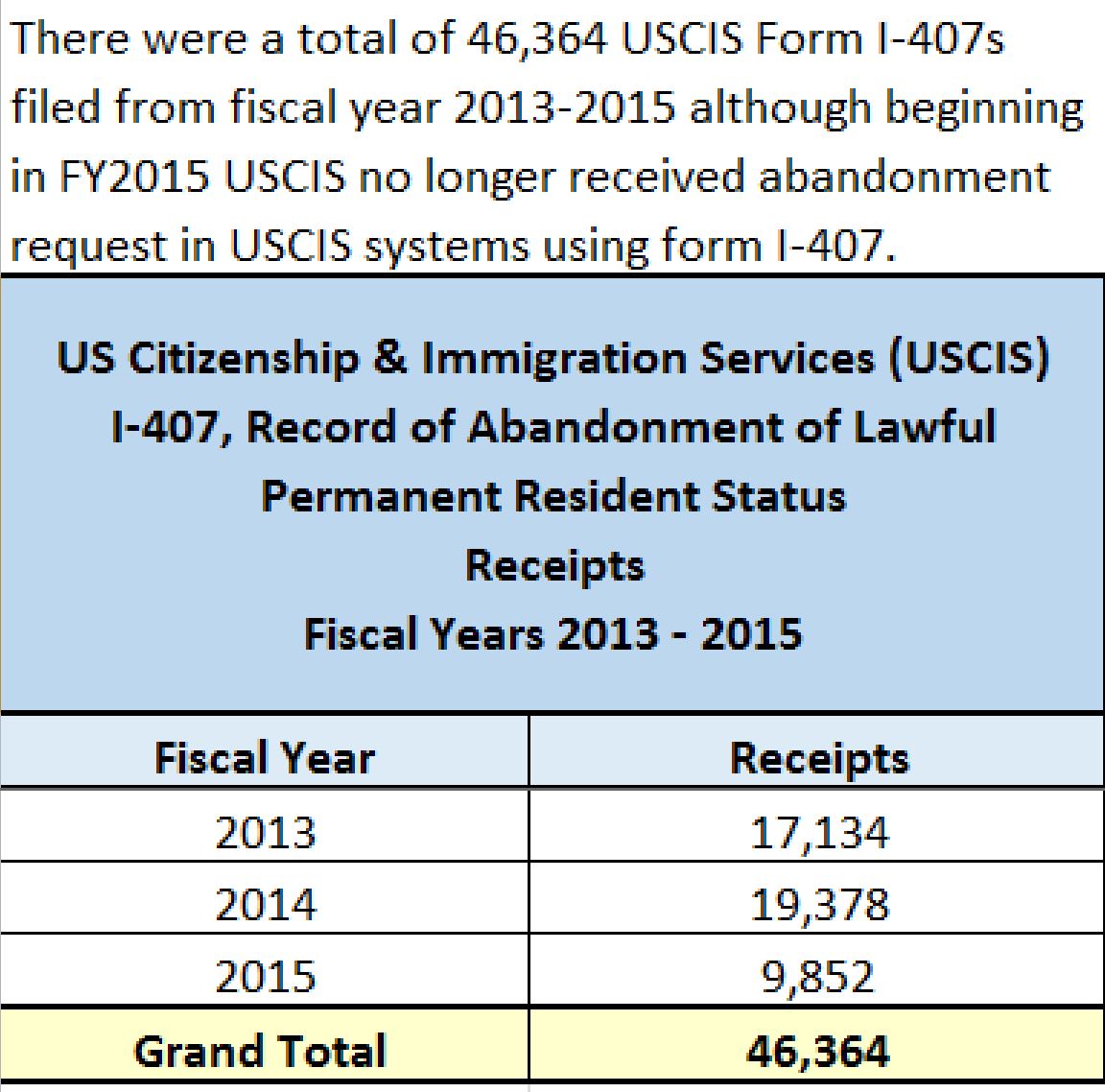
However, with LPRs, formal recognition of abandonment by filing Form I-407 (not including informal abandonments which are multiple times greater) is multiple times greater.
The graph I created several years ago, shows that formal LPR abandonments are mlutiple times greater than citizenship renunciation. I made a FOIA request with the government to request information about the number USCIS Forms I-407 that are filed with the government. See, also quarterly statistics of the USCIS – Form I-407, Record of Abandonment of Lawful Permanent Resident Status (partial information for years 2016-2019).
I have made a new FOIA request for more recent records, since this data is no longer public after the year 2019 year.
The statistics reflected above demonstrate that:
Formal green card abandonment significantly exceeds formal citizenship renunciations.
The population potentially affected by the expatriation rules is therefore much larger than many individuals around the world appreciate.
Lack of Control Over the Timing of Termination
One of the greatest risks for green card holders is that they often do not control the legal date on which their LPR status terminates, especially if they reside in a tax treaty country, per the analysis in the landmark case:
If abandonment is later determined by tax treaty law, effectively an CPB officer, the Executive Office for Immigration Review (EOIR) immigration court, the Board of Immigration Appeals (BIA)or a even a Federal District Court:
The taxpayer may not control the effective date of termination – “expatriation”.
If they are a “covered expatriate” or not.
The tax consequences may arise unexpectedly.
The timing can directly impact whether the tax expatriation rules apply and all of the potential consequences.
These timing issues become important when the IRS challenges tax positions taken on tax returns filed (or filed late) as was the case in Topsnik v. Commissioner (143 T.C. 240 (2014) – “Topsnik I”) and the subsequent case of Topsnik v. Commissioner (146 T.C. No. 1, 2016) – “Topsnik II”). In Topsnik II, Judge Kerrigan agreed with the IRS and ” . . . determined that P [taxpayer] was a “covered expatriate” who expatriated in 2010 and must recognize gain on the deemed sale of his installment obligation on the day before his expatriation under I.R.C. sec. 877A.” The U.S. Tax Court cited IRS Notice 2009-85 and explained it was not legally binding as follows:
We are not bound by Notice 2009-85, supra, see Compaq Computer Corp. v. Commissioner, 113 T.C. 363, 372 (1999), but it is an official statement of the Commissioner’s position and we may let it persuade us, see Nationalist Movement v. Commissioner, 102 T.C. 558, 583 (1994), aff’d, 37 F.3d 216 (5th Cir.1994).
The Tax Court went on to conclude these facts caused the court to conclude and uphold the IRS assessment of the “exit tax” on the German citizen Mr. Topsnik as a “covered expatriate” quoted as follows:
Notice 2009-85, sec. 8, 2009-45 I.R.B. at 611, explains that for purposes of certifying tax compliance for the five years before expatriation pursuant to section 877(a)(2)(C):
All U.S. citizens who relinquish their U.S. citizenship and all long-term residents who cease to be lawful permanent residents of the United States (within the meaning of section 7701(b)(6)) must file Form 8854 in order to certify, under penalties of perjury, that they have been in compliance with all federal tax laws during the five years preceding the year of expatriation. Individuals who fail to make such certification will be treated as covered expatriates within the meaning of section 877A(g) * * *
For the year of his expatriation petitioner failed to complete and file a Form 8854 certifying under penalties of perjury that he has complied with all of his U.S. Federal tax obligations for the five taxable years preceding the taxable year that includes his expatriation date. Respondent [IRS] has provided evidence that petitioner did not file all of his U.S. income tax returns before expatriatingand was not in payment compliance for taxes owed for the five years before expatriation in taxable year 2010. Thus petitioner could not have certified under penalties of perjury on a Form 8854 that he had been in tax compliance for the five years before expatriation. Consequently, because petitioner failed to certify tax compliance for the five years before expatriation, he is a “covered expatriate” as defined by section 877A(g)(1)(A).
Importantly, the court in Aroeste concluded IRS Form 8854 was not required to be filed (even though the DOJ attorney argued it was required – as set forth in the instructions to the form) as explained below:
C. Whether Aroeste Was Required to File Form 8854
The Government next argues that even if the IRS had accepted Aroeste’s amended
returns, neither amended return would have properly notified the IRS of a commencement of treaty benefits because both failed to attach Form 8854, as required by IRS Notice 2009- 85.(Doc. No. 76-1 at 4–5.) The Government concedes Aroeste attached Form 8833 to both
amended forms. (Id.)
Aroeste responds that Notice 2009-85 is not binding authority as it fails to comply
with the Administrative Procedures Act (“APA”). (Doc. No. 78-1 at 8 (citing Green Valley
Investors, LLC v. Comm’r of Internal Revenue, 159 T.C. No. 5, at *4 (Nov. 9, 2022)) (under
the APA, agencies must follow a three-step procedure for “notice-and-comment”
rulemaking, but this requirement does not apply to “interpretive rules, general statements
of policy, or rules of agency organization, procedure, or practice.”).) The Court agrees. In
Mann Construction, Inc. v. United States, 27 F.4th 1138 (6th Cir. 2022), the court found
that Notice 2007-83 failed to comply with the APA’s notice-and-comment procedure.
Similarly here, because Notice 2009-85 has not been subject to a notice-and-comment procedure, it does not comply with the APA and thus is not binding. As such, Aroeste was not required to file Form 8854 with his amended returns.
Both the Green Valley Investors LLC case and Mann Construction were 2022 cases, some 6 years after Topsnik II.
My law firm, Chamberlain Hrdlicka, successfully represented the taxpayers in Green Valley and of course in Aroeste.
Practical Lessons for Green Card Holders
The combined lessons from Aroeste, Topsnik I, and Topsnik II are significant.
Before Obtaining a Green Card
Individuals should understand:
The long-term resident rules and their U.S. tax obligations and reporting obligations;
The expatriation tax provisions and how they generally apply;
The “covered expatriate” tax regime and what steps to take;
The impact of income tax treaties with countries in the United States.
Before Formally Reporting the Abandonment (or Informally Abandoning) a Green Card
Individuals should carefully evaluate:
The date expatriation may occur;
Whether Form I-407 should be filed;
Tax compliance under U.S. tax laws (and what that means), including for the preceding five years to abandonment;
What notifications should be provided and when (not necessarily formal tax form filings);
Potential exit tax exposure – depending upon total assets, liabilities, type of assets and anticipated future income and gains;
Treaty residency positions and the particular facts of each case;
Reporting obligations, and which ones are mandatory or not – including IRS Forms 8833 and 8854.
Most Important Takeaway?
A green card holder does not necessarily need to spend seven or eight years physically living in the United States before becoming subject to the long-term resident and expatriation tax rules. The interaction of immigration law, tax law, treaty provisions, and reporting requirements can produce unexpected results. The recent landmark decision in Aroeste that I handled, confirms that these issues are not merely theoretical—they are increasingly becoming the subject of significant litigation and judicial scrutiny.



consulate, or office providing consular services will email you if and when your request has been approved. If your request is denied, the embassy, consulate, or office providing consular services will send you an email attaching a denial letter.